

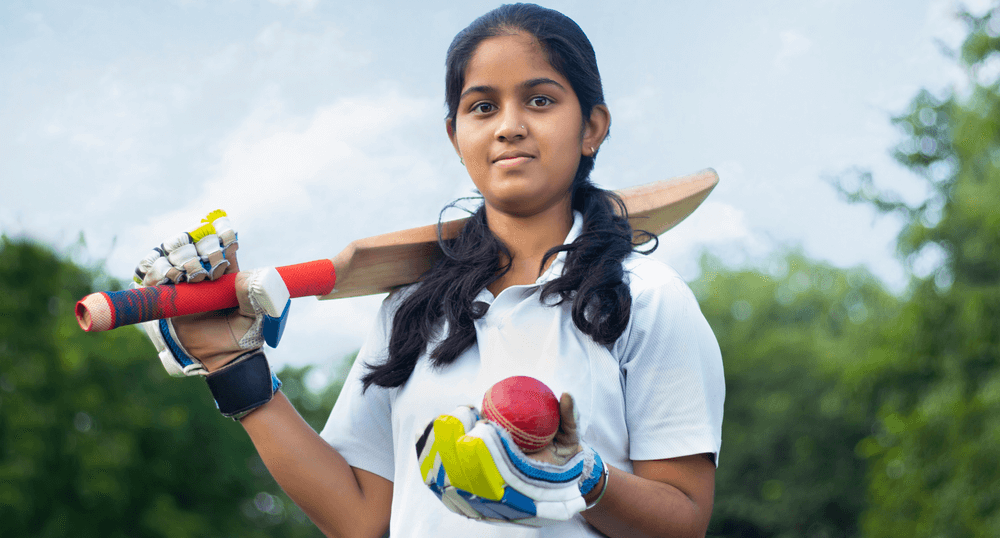
With the first ever ICC Women’s Under 19 T20 currently being hosted by South Africa, the runup to the 8th Twenty20 Women’s World Cup in Cricket is heating up!
Set to start on the 10th February, South Africa will take on Sri Lanka in the World Cup opener.
The months-long celebration of the best in women’s cricket, is set to have the defending T20 champs, Australia, facing their toughest field yet. The pool also includes England, India, Pakistan, Ireland, Bangladesh, New Zealand and the West Indies.
With matches to be played at several landmark Parks (St George’s, Newlands and Boland), the tightly packed schedule of fast-paced play is set to demand intense physical fitness and stamina from all the players.
Cricket, as the world’s most popular sport, attracts a diverse range of players across the globe. In fact women have been playing cricket for over 200 years!
However, although men’s cricket has been studied extensively, there have been significantly fewer studies done of women in the sport.
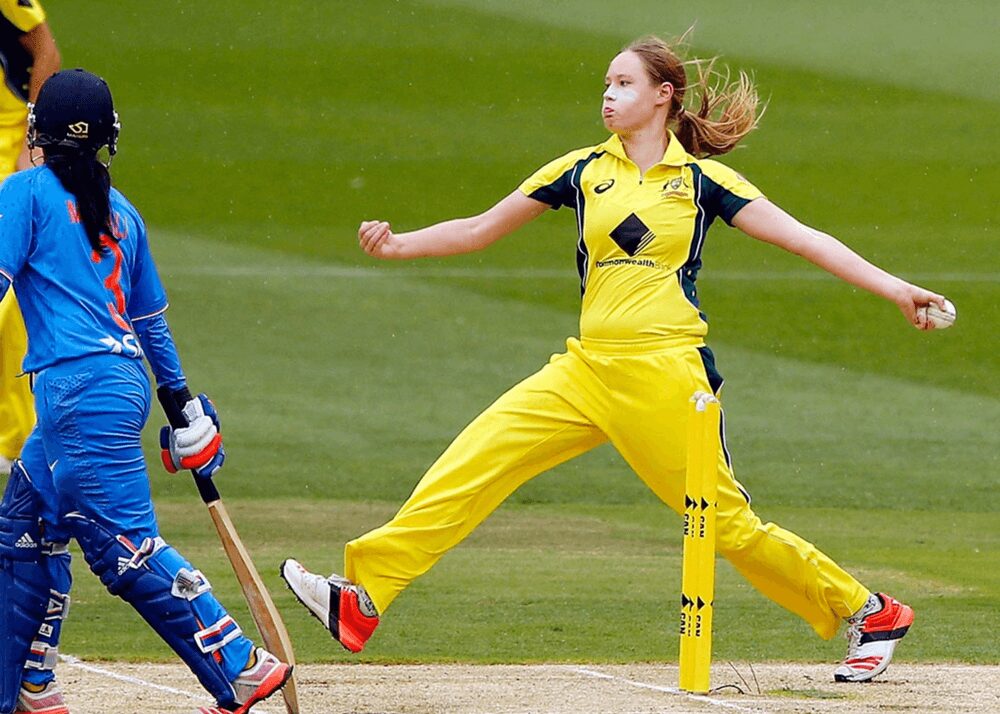
How is women’s cricket different to men’s cricket?
For those not in the know, women’s cricket is slightly different to men’s cricket. Like many sports, cricket uses egalitarian principles (the belief that all people deserve equal rights to play and opportunities to do so) and the game has been modified to that end.
Because women are smaller in size and less muscular than men, to encourage a competitive and exciting game for both women and men, their physical differences are taken into consideration.
Women play with a smaller ball size (approximately 12g lighter and 4mm smaller),
and decreased field diameter (infield circle is 5m smaller and boundaries 10m smaller).
Female fast bowlers bowl slower than their male counterparts. The smaller ball in women’s cricket results in reduced air resistance. This encourages greater swing, seam and spin when bowling. These ball aerodynamics lead to improved play with a superior bat-ball balance in women’s cricket. Arguably this makes for a better game of cricket – rather than the quasi baseball matches that cricket has occasionally come to resemble.
Other smaller differences include the use of a single ball in One Day cricket (as opposed to two balls in men’s cricket), shorter overs for women’s cricket, among other considerations.
A high number of injuries
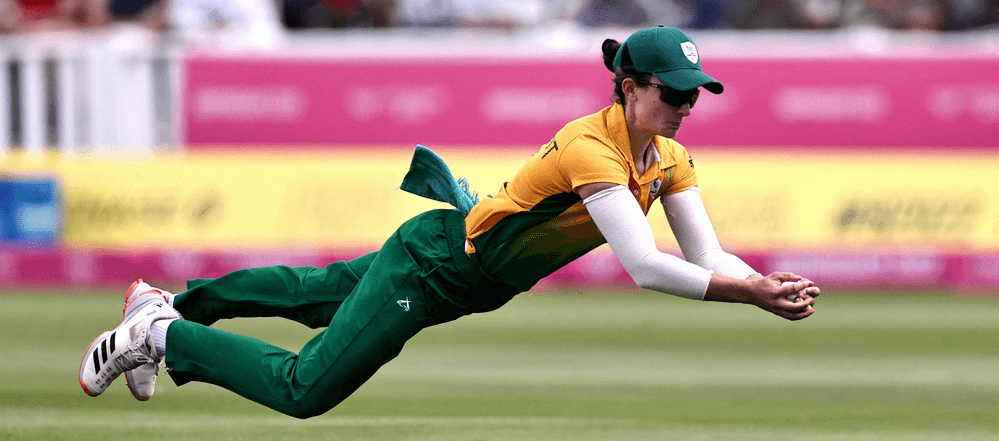
Female cricketers report a high incidence of finger, hand and wrist injuries – typically sustained when catching the ball – than men.
Although batters and wicketkeepers wear protective gear (gloves, wrist guards), the ball may still cause injury despite this. Fielders are at an even higher risk than other players as they generally do not wear protective gear.
One type of injury that may occur is a hyperextension (forecful backwards stretching) of the finger. This may cause damage to internal structures in the palm side of the finger such as the volar plate (cartilage overlying the joint) and its ligaments. In some instances, the underlying finger bone may be also be broken through an ‘avulsion’ fracture. These injuries can be very painful and may result in loss of function, requiring surgery to manage.
To manage this risk, it is important to emphasize correct or protective catching techniques during training. Focusing on quicker reaction times and better hand-eye coordination is particularly important for players at development level as well as those engaging in casual and social cricket to avoid injury.
Shoulder injuries are the most prevalent cricket injuries overall
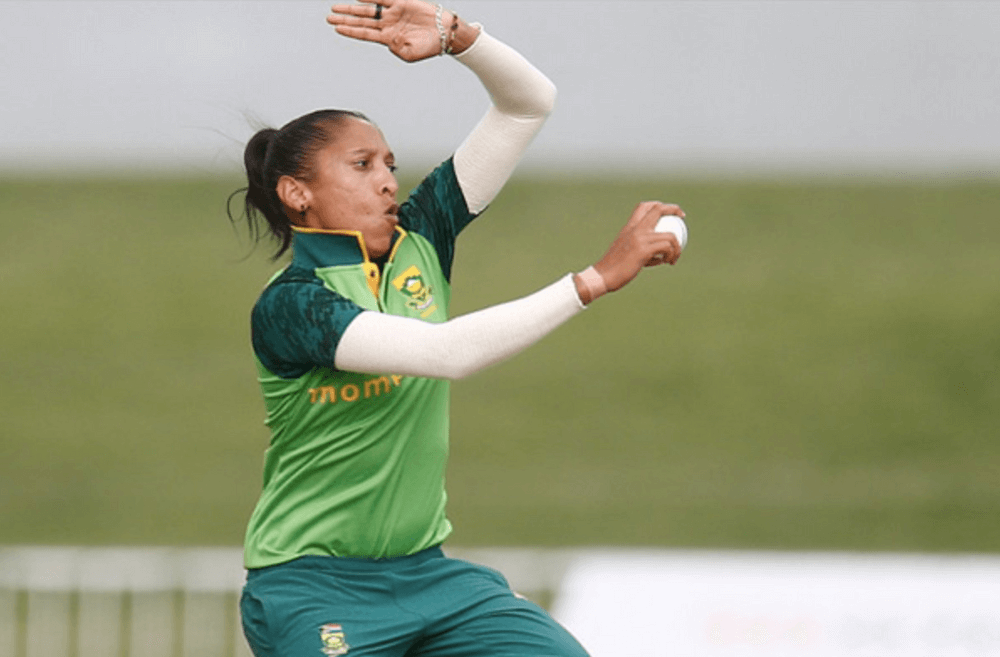
Although there is limited research available on female cricketers, the data obtained by the Wits Cricket Research Hub among other researchers worldwide, have established that shoulder injuries are the most common injuries sustained by female bowlers.
The shoulder is a shallow joint with relatively lax ligaments surrounding and supporting it. While this makes it significantly less stable than other large joints, it allows for a very wide range of movement.
A large amount of energy passes through the joint during the overhead throwing motion of bowling. To prevent the shoulder from dislocating, the shoulder muscles are forced to produce significant forces to slow the arm down at the end of a throw. It is during this period of slowing down after bowling, that the shoulder often gets injured.
Fast bowlers are at higher risk for injury than other bowlers in women’s cricket – similar to men’s cricket.
Training for cricketers should include adequate and sport-specific warmup and stretching exercises. Training programmes should focus on strengthening and conditioning with a view to balancing muscles around the shoulder and core. Coaches should closely analyse and correct their players’ bowling techniques to avoid injury.
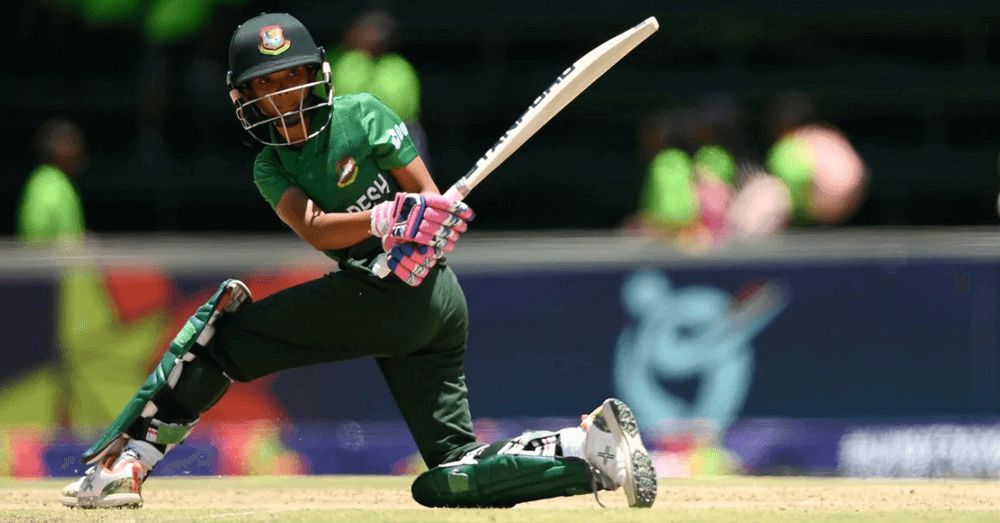
Lower limb injuries
In comparison to hamstring injuries in men, women are more likely to sustain toe, ankle and foot injuries. The latter have a greater range of movement at the ankle joint, and have more lax ligaments.
These differences, coupled with the hormonal changes of the menstrual cycle (injuries increase in women during the late follicular/ovulatory phase), can have a direct impact on sporting performance. A focused neuromuscular training programme is essential to improve stability and reduce the risk of injury.
When hamstring injuries are sustained in women’s cricket, it is typically during jumping or running – especially when a change direction and or speed is necessary. Coaches should include strength training and exercises to improve coordination and reduce the risk of ‘hams’ injuries.

Head, neck and face injuries
These injuries generally impact high level players. Often the only players wearing helmets are batters, close fielders and wicket keepers. Training should ensure that players exercises are designed to improve reaction times. Coaches should ensure that players wear their safety gear even during team training.

Prevention is better than cure.
While more research into the injuries sustained by women in cricket is needed, coaches should ensure their training programmes are focused and appropriate to manage their players’ unique risk in the sport.
Exercises must focus on adequate conditioning and strengthening, with development of injury prevention programmes that include a focus on safety on the field.
Dr Anne Maina
Specialist Orthopaedic surgeon
MBBCh (Wits), FC Orth (SA), MMed Ortho (Wits) CIME
References:
- The buzz around women’s cricket: does increased participation lead to more injuries? Jolandi Jacobs. Accessed 15th Jan 2023: https://www.sportsinjurybulletin.com/diagnose–treat/the-buzz-around-womens-cricket-does-increased-participation-lead-to-more-injuries
- Stuelcken MC, Ginn KA, Sinclair PJ. Shoulder strength and range of motion in elite female cricket fast bowlers with and without a history of shoulder pain. Journal of Science and Medicine in Sport. 2008 Nov 1;11(6):575-80.
- Jacobs J, Olivier B, Dawood M, Perera NK. Prevalence and incidence of injuries among female cricket players: a systematic review and meta-analysis. JBI evidence synthesis. 2022 Jul 1;20(7):1741-90.
- About the Mechanics of Shoulder Stability. Department of Orthopaedics and Sports Medicine. University of Washington. Accessed 15th Jan 2023: https://orthop.washington.edu/patient-care/articles/shoulder/about-the-mechanics-of-shoulder-stability.html
- Wojtys EM, Huston LJ, Lindenfeld TN, Hewett TE, Greenfield ML. Association between the menstrual cycle and anterior cruciate ligament injuries in female athletes. The American journal of sports medicine. 1998 Sep;26(5):614-9.

