

What is arthritis?
The term “arthritis” is a nonspecific description, typically used when referring to general joint pain or joint disease.
Arthritis is diverse (there are over 200 types of arthritis) and affects all ages and genders.
While anyone can be affected by it, women and the elderly commonly present for treatment of their symptoms of arthritis. These symptoms are diverse in presentation and severity, but commonly include: swelling, pain, stiffness and a reduced range of movement.
The pain from arthritis may arise in the joint, next to the joint or may be referred from elsewhere in the body.
Joint pain can be assessed in two different classes:
- Inflammatory arthritis
- Non-inflammatory arthritis
Inflammatory joint pain may arise from infection, autoimmune disease (like rheumatoid arthritis, psoriatic arthritis, etc.) or crystal deposition disease (like gout), among other causes.
Non-inflammatory joint pain can arise from trauma, wear and tear (degeneration), metabolic disease (osteoporosis, etc.), fibromyalgia or tumours (that may arise from or spread to the joint).

Inflammatory, autoimmune arthritis
Autoimmune arthritis presents with fatigue, pain and stiffness. Autoimmune disease affects the whole body and is caused by a dysregulated immune system. This causes one’s immune system to attack itself, damaging structures throughout the body, including the joints and the joint lining. This inflammation damages the joint lining and progresses into a stretched joint capsule with rupture of the surrounding tendons.

Middle-aged women are most often affected. Often, Rheumatologists are involved in the care of autoimmune arthritis. The main goal of treatment is to aim for remission through medications that modify and decrease the body’s own excessive inflammation.
Orthopaedic surgeons get involved in treating autoimmune arthritis through surgeries such as the following:
- Cleaning the joint lining (synovectomy)
- Tendon releases and/or transfers
- Joint replacement surgery
- Joint fusions

Septic arthritis
Infectious (septic) arthritis occurs when an infectious organism enters a joint through direct open injury, through spread from soft tissue/bone next to the joint or through blood-borne infections.
This infection triggers a response from white blood cells that results in joint cartilage destruction. Septic arthritis is one of the handful of orthopaedic emergencies. In part due to the rapid rate of cartilage destruction (it occurs within a few hours of infection), and also because infection can rapidly progress to septicaemia and become life-threatening.
The treatment of septic arthritis involves cleaning the joint (through a procedure called an ‘arthrotomy’ or an ‘arthroscopy’), removal of implants (if there are any in/near the joint) and a long-term course of antibiotic therapy.

Crystal arthropathy - Gout
Gout is a common cause of joint pain. Gout presents with swelling, pain and, sometimes, joint deformity. Gout is caused by the accumulation of waste products (uric acid) in the joints after the breakdown of digested proteins in the body.
Many people who suffer from gout are unable to excrete uric acid. Others suffer from gout as a result of the consumption of certain medications (aspirin, diuretics, etc.) or certain foods (alcohol, red meat, etc.). Individuals with certain medical conditions (diabetes, kidney disease, high blood pressure, etc.) are also at higher risk of gout.
Treatment of gout is often directed by physicians who guide the investigation of medical conditions associated with gout. The treatment of gout requires both an adjusted diet and the use of drugs that force the body to excrete this uric acid.
Often, orthopaedic surgeons are involved in treating gout when there is associated or suspected septic arthritis or collections around the joint associated with gout that would benefit from excision or drainage.
Non-inflammatory, Osteoarthritis
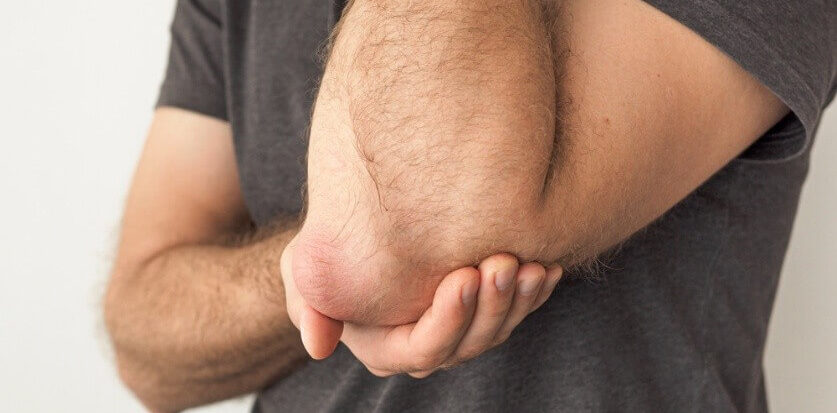
Osteoarthritis is the most common type of arthritis. It either arises due to progressive cartilage breakdown due to ageing, obesity or following trauma and/or other bone diseases.
Osteoarthritis may present as lumps in the joints of the fingers, joint deformity and stiffness. X-rays usually show a decreased joint space and new bone formation (osteophytes).
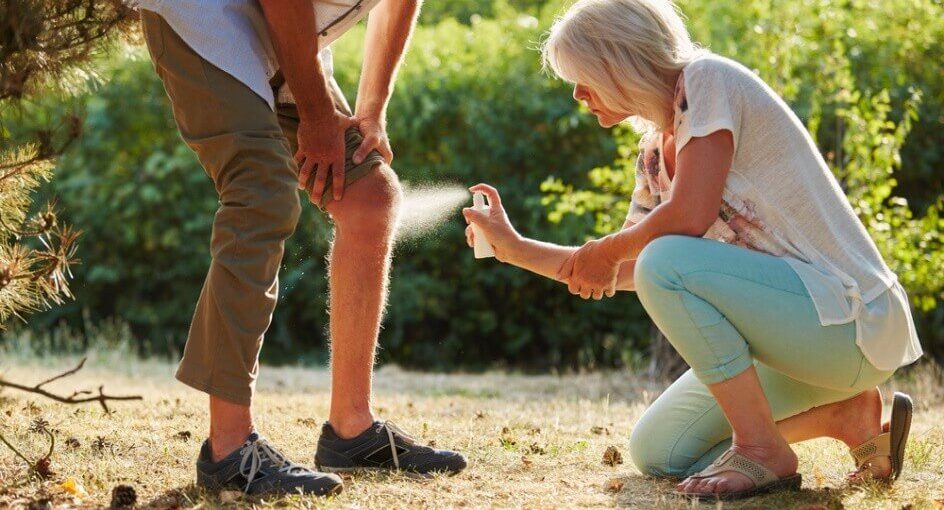
Osteoarthritis is initially managed through conservative treatment. This includes:
- Physiotherapy
- Low-impact exercises
- Weight loss (the most important measure for those with both knee pain and excess weight)
- Painkillers
- Assistive devices (walking aids, knee braces, etc.)
- Joint injections (steroids, gels, platelet-rich plasma)
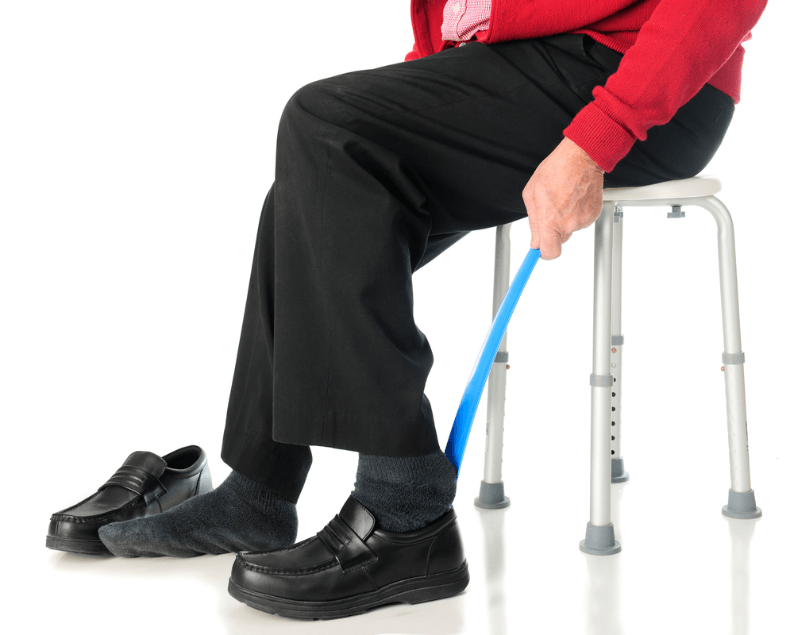
Often, both an orthotist and a physiotherapist help in getting the assistive devices and in ensuring the correct use of the equipment. For example, Dr Maina tends to people who present with longstanding lower limb pain. Some have bought crutches but have been holding their crutch on the incorrect side, aggravating their pain. Some have never used crutches before and walk unsteadily – risking a serious fall. Physiotherapists help teach “COAL” techniques (Cane Opposite Affected Leg) and appropriate techniques to ease the use of crutches, among other assistive devices.
When conservative treatment fails, surgical options may include:
- Arthroscopy and microfracture (where bone is drilled to induce bleeding and scarring with formation of new cartilage)
- Cartilage transplants
- Lower limb realignment procedures (high tibial osteotomies)
- Resurfacing of the kneecap
- Joint replacement (partial or total joint replacement)
- Joint fusion

Referred pain
Referred pain describes pain that arises away from an otherwise healthy joint.
Because of the way in which the nerves in the human embryo develop, this pain is perceived by the brain as arising from the joint.
Low back pain, for example, may be experienced as hip or knee pain; heart disease may be experienced as shoulder pain, and so on. It is important that an adequate clinical assessment and investigations are done in order to appropriately diagnose and treat the cause of pain.

Conclusion
In summary, arthritis comes in hundreds of forms and often needs treatment by a multidisciplinary team.
Because arthritis affects and involves multiple organ systems, this team includes (but isn’t limited to) orthopaedic surgeons, physicians, rheumatologists, dietitians, occupational therapists/physiotherapists and orthotists.
X-rays are almost always used to aid in the diagnosis and monitoring of joint diseases.
Blood investigations are also often used in making a diagnosis (particularly in the presence of inflammatory disease) and in assessing the progress of treatment.

Physiotherapy and weight loss are underutilised treatment options – particularly for those whose weight-bearing joints are affected.
Beware of the chronic use of steroids and anti-inflammatory drugs. Long-term or high-dose use can induce life-threatening complications that could compromise your care and recovery.

Dr Anne Maina
Specialist Orthopaedic surgeon
MBBCh (Wits), FC Orth (SA), MMed Ortho (Wits) CIME
References:
- Alan N. Baer, MD et al. The Approach to the Painful Joint. Updated: Dec 21, 2020. Accessed: 10 Feb 2021. Available from: https://emedicine.medscape.com/article/336054-overview#showall
- American Academy of Orthopaedic Surgeons. How to Use Crutches, Canes, and Walkers. Last Reviewed February 2015. Accessed: 10 Feb 2021. Available from: https://orthoinfo.aaos.org/en/recovery/how-to-use-crutches-canes-and-walkers/
- Rheumatology Network Editorial Staff. The 2020 Treatment Guidelines for Gout. Updated May 19, 2020. Accessed: 10 Feb 2021. Available from: https://www.rheumatologynetwork.com/view/2020-treatment-guidelines-gout

