
Nails are made of a protein called keratin. Keratin cells are structural cells that were previously alive. In fact, one’s state of health can be assessed by analysing nail quality and strength.
Nails serve a few important roles:
- They improve grip strength by adding rigidity to the very ends of the hands/toes
- Nails protect the ends of fingers and toes from injury, reducing the risk of infections.
- Nails improve fine motor function, allowing one to scratch or pick apart small items.
- Nailbeds have nerve endings, and contribute to sensation in the fingers.

Nail growth and appearance
Nails are made of a protein called keratin. Keratin cells are structural cells that were previously alive. In fact, one’s state of health can be assessed by analysing nail quality and strength.
Nails serve a few important roles:
- They improve grip strength by adding rigidity to the very ends of the hands/toes
- Nails protect the ends of fingers and toes from injury, reducing the risk of infections.
- Nails improve fine motor function, allowing one to scratch or pick apart small items.
- Nailbeds have nerve endings, and contribute to sensation in the fingers.

Some common nail and nailbed conditions
Blunt trauma can often cause a blood vessel to rupture in the nailbed, resulting in a blood clot under the nail. This is called a subungual hematoma. Often, the pain from the pressure of a hematoma can be relieved by decompressing the hematoma by drilling a small hole in the nail with a needle. Despite this, his type of injury can sometimes lead to the nail falling off over time.

Nailbed injuries may be associated with a broken nail above and/or a fractured bone underneath the nailbed. These injuries may require sutures to be applied to the nailbed.
If surgery is needed, where possible, Dr Maina will reattach the natural nail (or a synthetic nail) over the repaired nailbed and immobilise any underlying fracture as required.
It must be remembered that injury to one’s nailbed can result in permanent nail deformities that appear as ridges and/or bumps in the nail, irrespective of whether nailbed repair is carried out.
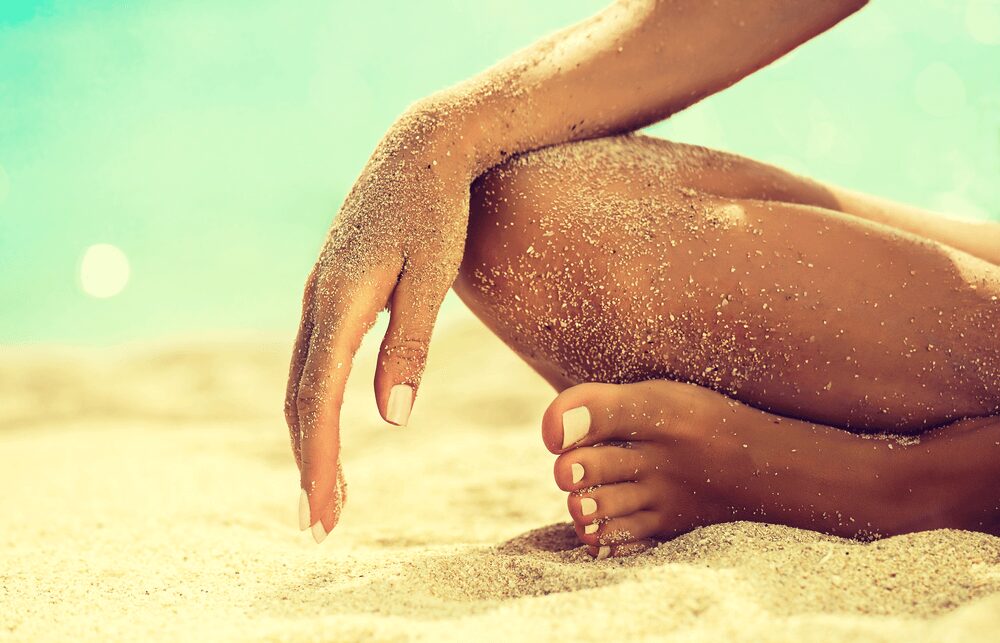
Ingrown nails are also commonly referred to Dr Maina. An ingrown nail occurs as a result of the nail growing into the soft tissue on either side of the nail, rather than on top of the skin.
This results in severe pain and inflammation – sometimes leading to infection. The risk of ingrown nails increases with poor nail clipping technique, wearing narrow shoes, blunt injury, certain sporting activities and genetic risk.
Ingrown nails can be corrected by addressing the predisposing risks (cutting nails straight across, wearing wider shoes, etc.) and by inserting a splint under the edge of the nail to avoid ingrowing.
Podiatrists are an important member of the healthcare team, who guide treatment and care of toenail and foot conditions.

Occasionally, the ingrown nail will not respond to these changes in nailcare, and the nail itself needs to be partially (or totally) removed, with the underlying nailbed being destroyed to prevent recurrence.

Dr Maina sees individuals referred when treatment of fungal infections fails or if other issues arise during treatment. Nail fungal infections are chronic diseases that often start at the edge of the nail as a painless lesion. However, treatment of fungal nail infections is challenging and may take up to a year – if at all possible.
Fungal nail infections are more likely to occur in the feet than the hands. They occur in individuals with weakened immunity, those with prior infections and/or those who have their hands and feet damp frequently (wearing closed shoes/gloves).

Mild fungal infections, left untreated, extend toward the center of the nail, eventually resulting in discoloration, thickening, deformity and lifting of the nail off the nailbed. The nail infection may also be associated with a bad odour and eventually become quite painful. Medication includes long-term antifungal treatments and may require removal of the nail entirely.

To prevent the spread/to avoid contracting fungal infections, it is vital to follow basic hygiene protocols: avoid sharing towels, treat athletes foot promptly, avoid walking through gym showers/locker rooms barefoot.
Additionally, correct nail trimming technique with disinfected nail tools prevents contracting and spreading infection. One may also need to discard old closed shoes because they may harbour fungi.

Acrylic nails are rigid, synthetic nails which, when applied to one’s natural nail, increase their length and are worn for dramatic flair. These nails, however, are also associated with the risk of significant nail and nailbed damage.
This risk starts from their application, where some of the nail may be roughened to encourage adhesive bonding. Removal of the same with acetone, followed by buffing, almost always results in a thin, brittle natural nail. It is not recommended to wear acrylics for prolonged periods.
After application, long acrylic nails are more likely to get accidentally caught or broken. This may result in nail, nailbed and/or bony injury.
Special note:
If one suspects they’ve sustained a broken bone in the fingers or toes in the presence of an overlying nailbed injury, this requires that it be treated as an open fracture. A course of antibiotics and/or surgical intervention is imperative to reduce the risk of chronic bone infection and other complications.
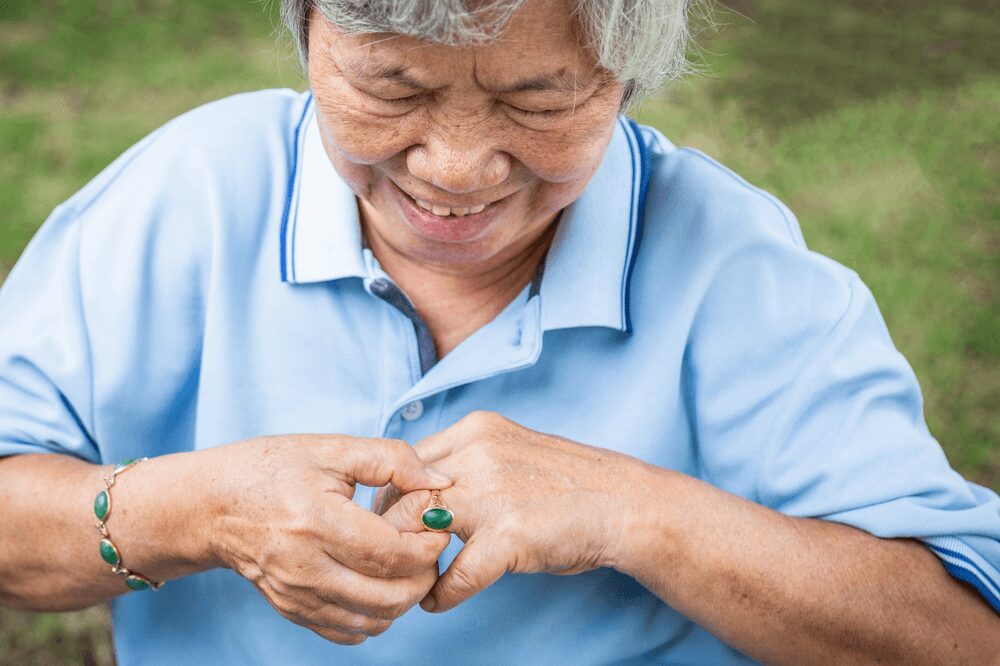
- Remove any jewellery after a hand or finger injury. Jewellery may compress the blood vessels in the extremity due to swelling and may increase the risk of amputation!
- Bleeding that does not stop may be arising from a small artery, and immediate treatment should include (but not be limited to) clean, compressive dressings. This type of injury warrants urgent medical attention.
- High-risk individuals (such as the elderly with diabetes, nerve and vascular diseases) are strongly advised to see a podiatrist regularly (six monthly) for foot health assessments to reduce the risk of missed diseases, injuries and potential limb or life-threatening complications.
In summary
Many – if not all – of us make a living using our hands. Be it in the office, in the workshop or studio.
Nail and nailbed injuries and diseases can be debilitating, causing severe limitations of function and mobility.
Aside from following regular, hygienic nail, hand and foot care, it is wise to seek early, appropriate medical attention for these and any other worrying conditions.

Dr Anne Maina
Specialist Orthopaedic surgeon
MBBCh (Wits), FC Orth (SA), MMed Ortho (Wits) CIME
References:
- Rachel Nall, Stacy Sampson. Why Do We Have Fingernails and Toenails? Healthline.com. Reviewed April 22, 2020. Accessed 3 Apr 2022: https://www.healthline.com/health/why-do-we-have-nails
- Stephanie Booth, Hansa D. Barghava. Fungal Nail Infections. WebMD.com. Reviewed 28 Jul 2020. Accessed 3 Apr 2022: https://www.webmd.com/skin-problems-and-treatments/fungal-nail-infections
- Lowri Daniels, Stacy Sampson. Nailbed Injury: Self Care and Seeing a Doctor. Medicalnewstoday.com. Reviewed May 18, 2020. Accessed 3 Apr 2022: https://www.medicalnewstoday.com/articles/nail-bed-injury

