
A crisp morning gazing down a lush fairway at the start of a round of golf, chasing the allure of a dropping handicap and flawless shot.
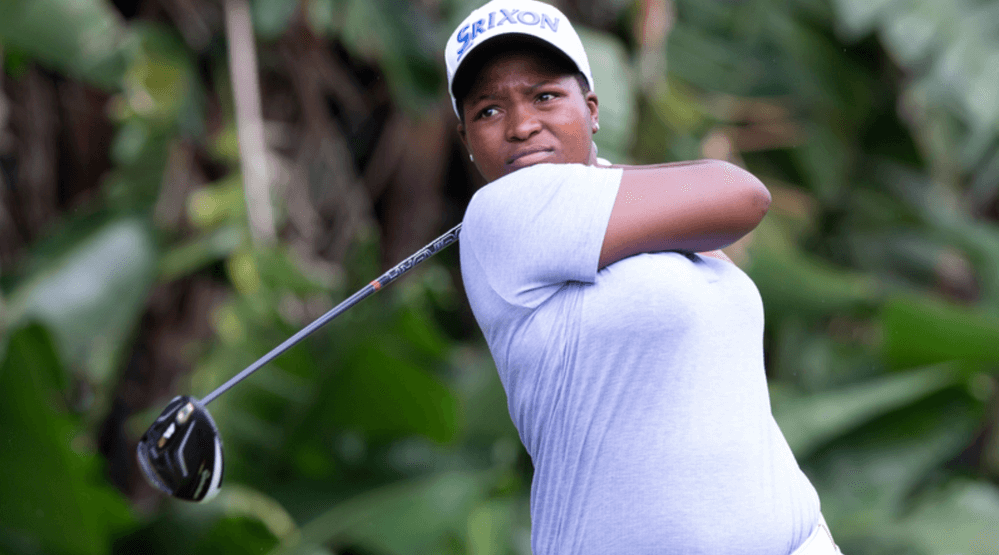
Whether one is hunting for the reward of that powerful tee-off on the driving range or the perfectly sunken putt on the green, there is something alluring about the sport that keeps golfers of all ages coming back for more.
However, the power and precision demanded by the game of golf can sometimes lead to unwanted injuries and distracting pain on the fairway.
Irrespective of the fact you could be a seasoned athlete, a relaxed retiree, a weekend warrior or a proud parent watching your child develop their game, awareness of common golf-related orthopaedic issues is essential.
By understanding these physical hazards, you can take steps to prevent orthopaedic injury and keep your swing – and your enjoyment – on course.

The Physical Demands of Golf
Golf requires a unique blend of whole-body power, flexibility, and stability.
The repetitive nature of the sport places significant stress on various joints throughout the swing, rendering golfers susceptible to overuse injuries.

Common Orthopaedic Concerns
There is an association between the frequency of play and a higher risk of injury. A raised incidence of injury is noted in players who participate in four or more rounds a week (or more than 200 balls per week).
The most frequent orthopaedic complaints among golfers include but are not limited to:
Low Back Pain
Granted the ever increasing distances the ball needs to travel down the fairway, golfers have had to adapt their game to engage the entire trunk and the shoulders in generating a powerful drive shot.
This extreme rotation and hyperflexibility of the shoulders and pelvis (the ‘X factor’) results in a forceful swing and can strain the muscles and ligaments of the lower back.
This could result in multilevel degenerative disc disease – particularly in regular and/or older golfers.
It is important to correct excessive tilting of the pelvis and hyperextension of the spine. By improving technique and appropriately strengthening muscles around the back and core, one can reduce the risk of chronic low back pain and strains.
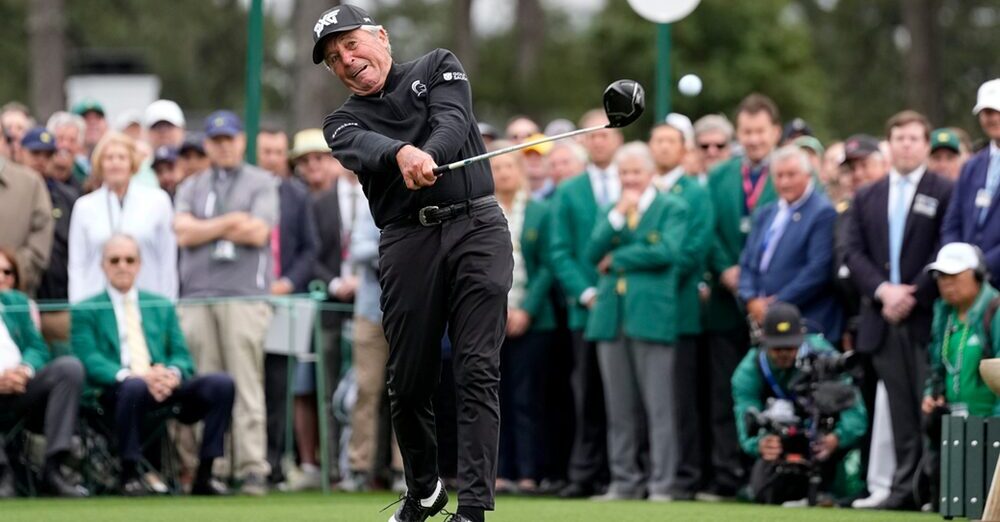
Shoulder Injuries
A pivotal joint in generating swing power, golfers often suffer from “golfer’s shoulder” stemming from the repetitive stress induced during play.
This is a perfect storm of:
- Subacromial impingement
- Rotator cuff tears
- Bursitis
- Instability
- Labral tears
The leading shoulder additionally suffers from acromioclavicular joint pain, while the non-leading shoulder may suffer SLAP tears (the cartilage that deepens the shoulder joint is torn from the insertion of the long head of the biceps tendon).
The leading shoulder may also develop dysrhythmia with shortening of the pectoral muscles and lengthening of opposing muscle groups.
Golfer’s Elbow
Also known as medial epicondylitis, golfer’s elbow occurs due to poor technique, poor grip or overuse.
It presents as pain on the inside of the elbow as a result of irritated tendons of the muscles that flex the wrist at their insertion point.
Wrist and Hand Issues
Grip strength and control of the club is crucial as a number of overuse and/or single event injuries may arise when the club strikes the ball or ground.
Examples include:
- Hamate fractures from poor club control or rebound
- Wrist tendonitis affecting the leading wrist
- Carpal tunnel syndrome
- General tendonitis associated with repetitive impact
Another rare but serious condition is Hypothenar Hammer Syndrome, where repeated trauma weakens the ulnar artery wall. This can stop blood flow to the fingers and may lead to tissue injury and death, constituting an orthopaedic emergency.
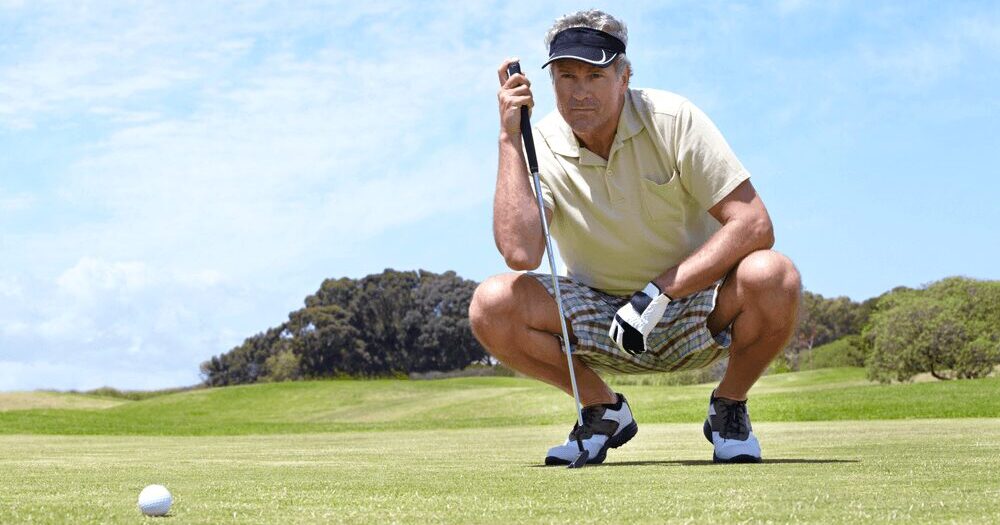
Knee Pain
Pivoting and shifting one’s weight during the swing can lead to ligament and cartilage injuries.
ACL (anterior cruciate ligament) tears can occur due to sudden loading and force applied to the knee during pivoting movements when the foot is fixed and planted.
The risk of knee injuries increases with age but is unaffected by skill level and gender.
Contrary to popular belief, the meniscus is not a shock absorber but rather an important knee stabiliser. A defunctioned or torn meniscus accelerates deterioration in the knee and results in subsequent arthritis.
Symptoms of a torn meniscus include:
- Instability
- Pain
- Locking of the knee
Patella tendinitis caused by poor technique and overuse can also result in knee pain at the front of the knee joint.
Improved swing technique, guided by a trained individual such as a coach, can help optimise an individual’s knee biomechanics.
Hip Pain
“It’s all in the hips!”
Golfers often suffer tendonitis, bursitis and labral tears in and around the hip joint. These injuries cause pain that can hinder performance and result in muscle weakness and imbalance.
Limited hip mobility can restrict swing mechanics and power generation, resulting in a poorer and inefficient swing.
A technically sound golf hip turn can diminish the risk of these injuries, and targeted strengthening of the back, hip and core muscles is essential.

Preventing Injury
The good news is that many golf-related injuries are preventable.
Here are some proactive steps you can take to safeguard your swing and your health:
Warm-Up: A gentle warm-up and light cardio before hitting the course increases blood flow, improves flexibility, and prepares your muscles for exertion. Stretching before sport is controversial and can increase the risk of injury. Stretches should be done under guidance of an experienced physiotherapist or biokineticist by fit individuals.

Establish and Maintain Proper Form: In-person coaching and recorded training sessions are fundamental in the analysis and improvement of your game and biomechanics – irrespective of one’s level of experience. These “performance reviews” conducted by knowledgeable individuals can be useful in focusing future training, optimizing play and avoiding injury.
Listen to Your Body: Pain can be a warning sign. Do not ignore discomfort — schedule rest days, reassess and correct your swing. Be sure to consult a healthcare professional if pain persists.

Preventing Injury
The sweet spot in creating that powerful and consistent swing is found in being both knowledgeable about the potential injuries associated with golf and nurturing a proactive stance toward one’s health and fitness.
If you experience persistent pain, do not hesitate to seek professional medical advice early on.
With the right knowledge and approach, you can keep your golf game – and your enjoyment – flourishing for years to come.
Dr Anne Maina
Specialist Orthopaedic Surgeon
MBBCh (Wits), FC Orth (SA), MMed Ortho (Wits), CIME
References
- American Academy of Orthopaedic Surgeons. (2022, January 11). Common Golf Injuries.
https://orthoinfo.aaos.org/en/staying-healthy/golf-injury-prevention/ - Mayo Clinic. (2020, August 14). Golf injuries.
https://sportsmedicine.mayoclinic.org/service/golf/ - The Royal Canadian Golf Association. (2021, March 23). How to Prevent Common Golf Injuries.
https://rebalancetoronto.com/treatment-of-golf-injuries/ - Golf Shoulder Injuries. ShoulderDoc, 5 Jan. 2024.
www.shoulderdoc.co.uk/article/1476 - American Society for Surgery of the Hand. (2024).
Golf Injuries to the Hand, Wrist, or Elbow.
www.assh.org/handcare/condition/golf-injuries

