

If you have ever had a knee injury, or surgery on your knee, you may have noticed that the pain you experience in your knee changes depending on the weather at the time. Many patients note that they experience a flare-up of knee pain, in the colder, winter months.
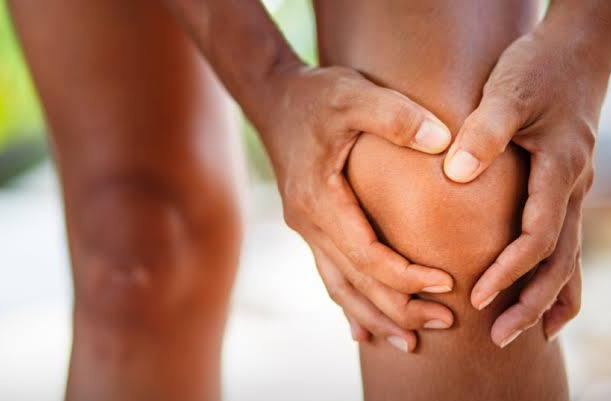
SO WHAT CAUSES KNEE PAIN IN COLDER WEATHER?
Barometric pressure
Barometric pressure is the actual weight of the air around us. Barometric pressures drop right before the start of colder weather. This change in pressure, can cause gases and fluids within the knee joint to expand, and thereby increasing pressure on the nerves, resulting in pain in the joint.
Cold and humidity
What can also be noted, is the combination of cooler weather, and high levels of humidity, has an impact on cellular structures of the cartilage and bone, leading to pain in the knee.
Nerve hypersensitivity
In the case of a knee that was operated on, the nerves in the knee can become overly sensitive to colder weather due to inflammation, scarring, or adhesions.
Increased thickness of the fluid in the joint
The fluid that is present in the knee acts like a “shock absorber”. Depending on how cold the weather gets, this fluid may thicken. This increased thickness, then prevents the fluid from flowing as freely as it could, this then causes stiffness in the joints.
Lack of activity
Colder weather, often means people stay indoors and are less active. Extended periods of inactivity, can be detrimental to joint health.
WHAT TYPES OF KNEE INJURIES ARE AT RISK FOR CAUSING ISSUES IN COLD WEATHER?

What I have noticed in our practice, is that patients pain increases during colder weather and that certain types of knee injuries experience more pain than others. Some of these injuries include:
Runner’s knee:
Runners knee is a condition caused by the pressure put on the knee joint whilst running. The pressure on the knee joint causes the kneecap (patella) to rub against the thigh bone (femur), hence the name: ‘patellofemoral pain syndrome’. This pressure can lead to cartilage damage. The pain is caused by altered biomechanics of the muscles around the knee.
When the muscles of your legs and core are weak or stiff, the kneecap does not run smoothly against the femur. In cooler weather, because your bodies’ heart rate has a slower response rate, the tissues and muscles around the knee become less lubricated and somewhat stiffer. When this happens and you attempt to run at your normal pace or push yourself harder, you may experience sore and achy knees.
Past trauma to the knee
If you have had an injury that involved the tendons, cartilage and muscles around the knee, in the cooler weather, your muscles have to work harder than they would in warmer weather to complete the same tasks. This may result in more damage to the muscle tissues, which in turn can lead to increased pain and soreness.
Patellar tendonitis
Also called ‘jumper’s knee’, is a type of tissue inflammation which occurs in the patella tendon. The patella tendon runs between the between the kneecap the shin bone. Jumpers knee is associated with athletes engaged in running, jumping and kicking sports. It has also been associated with playing on hard surfaces.
People suffering from jumpers knee generally experience knee pain right below their kneecap. Along with this pain, there is often associated knee weakness and stiffness especially bending the knee (jumping, kneeling, or climbing stairs). In cooler weather, the tendons stiffen and this reduces circulation, which can worsen the patients knee pain.
STRATEGIES FOR KNEE JOINT PAIN RELIEF IN COOLER WEATHER
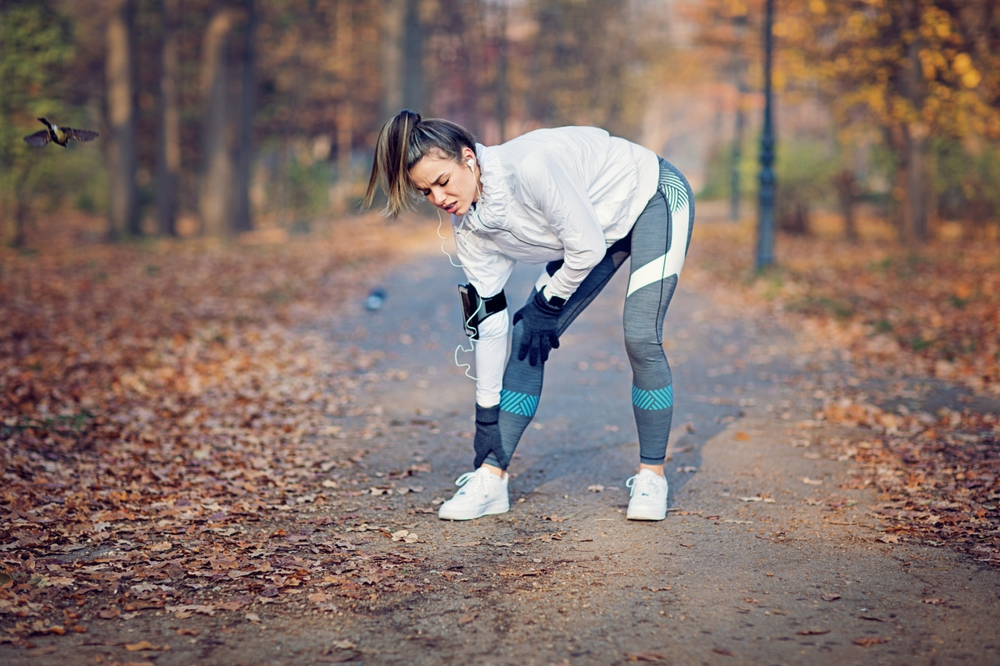
There are a number of ways that you can help to reduce knee injury pain and stiffness when the weather is cooler. Here are a few examples that patients can do to relieve joint pain:
Keep warm
Possibly the most obvious solution to the cold outside, is to try keep yourself warm. Simple ways of doing this could be to take warm showers or baths, use an electric blanket or hot water bottle, use a heater as well as dress in multiple layers to stay and keep warm.
Prevent swelling
If you are experiencing swelling in your knee, or have been recommended by a medical professional, the use of knee compression bands has been shown to aid in the reducing of the swelling together with the overall improvement of stability in the knee.
Physical activity
As much as is possible, patients should try to maintain a healthy weight, healthy lifestyle and keep physically active.
If you’re experiencing knee pain, or think it would be best to speak to a medical professional, please do not hesitate to book an appointment with me today.
Dr Anne Maina
Specialist Orthopaedic surgeon
MBBCh (Wits), FC Orth (SA), MMed Ortho (Wits)

